History
History of Sant Pere de Ribes
From the medieval castle to the “americanos” and the birth of Les Roquetes: history, curiosities and anecdotes.
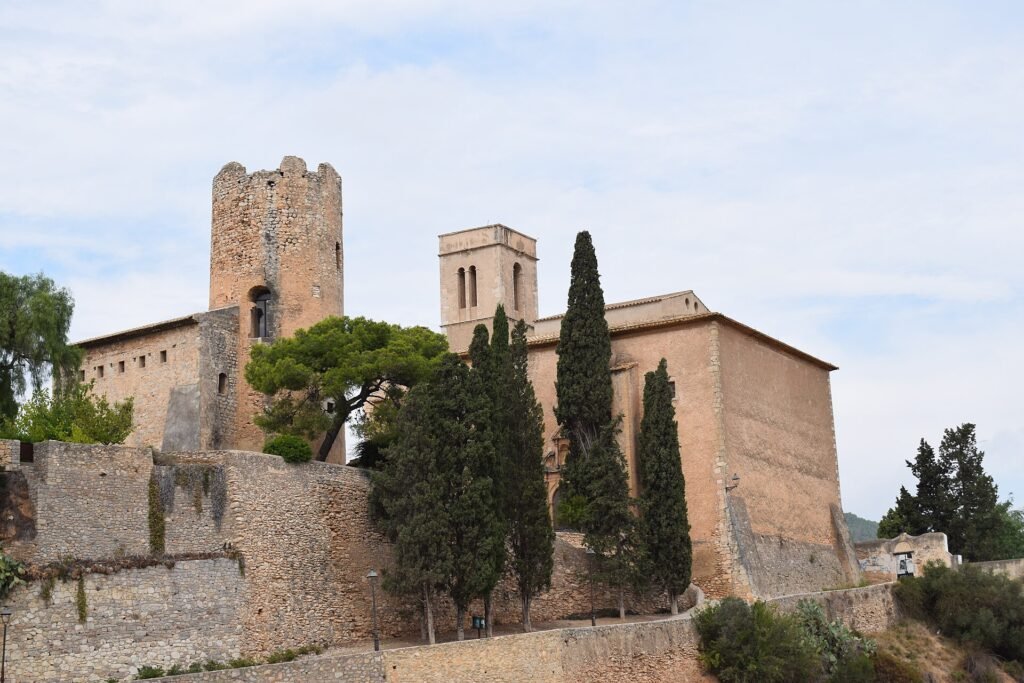
The history of Sant Pere de Ribes is far richer and more surprising than a town between Sitges, Vilanova i la Geltrú and the foothills of the Garraf massif might suggest. It cannot be told just by following the growth of a town centre: for centuries Ribes was above all a landscape of farmhouses (masies), vineyards, hamlets, paths, streams and scattered communities that shared institutions, a parish and a municipal boundary.
You can still see this today in a municipality where the two large centres of Ribes and Les Roquetes sit alongside historic places such as Puigmoltó and la Vilanoveta, old masies and many residential estates. A first geographical curiosity sums up its character: although Ribes is usually seen as an inland town, its territory has a tiny outlet to the Mediterranean, only about 658 metres of coastline.
Nor was the town born exactly where its centre stands today. To find its origin you have to go to Sota-ribes, walk down to the stream and look up at the castle’s round tower. That is where the documented medieval history begins, although people had lived here for many centuries.
Key dates
- Iberian and Roman times · Settlement documented around Can Coll and possible early use of the Sant Pau site.
- 6 May 990 · Bishop Vives of Barcelona grants a settlement and franchise charter to the people of the castle of Bell-lloc, or Ribes.
- 1269 · First syndics appointed by the council of the Universitat de Ribes.
- 1333 · Alfonso the Benign grants a franchise charter to settle Puigmoltó.
- 1364 · A document describes the fortress with tower, courtyard, moat and wall.
- 1390 · Bishop Ramon d’Escales recovers jurisdiction over the castle.
- 1502 · First mention of the Casa del Terme.
- 1620 · The bishop hands the castle to the Comú de Ribes for two capons and six pennies a year.
- 1663 · Construction of the Església Vella de Sant Pere is agreed.
- 1845 · The Sant Pau hermitage and its land become municipal property.
- 1891–1893 · The Modernista town hall (Casa de la Vila) is built.
- 1899–1905 · The Redós de Sant Josep i Sant Pere is founded and built by Josep Font i Gumà.
- 1910 · The Església Nova opens (4 September) and the parish leaves Sota-ribes.
- 1923 · The Terramar motor-racing circuit opens near the Sitges boundary.
- 1936–1939 · The Civil War destroys much of the religious heritage.
- 1949 · The castle is protected as a Cultural Asset of National Interest.
- 1968 · The “entrance blocks” speed up the growth of Les Roquetes.
- 1973 · First Festa Major in Les Roquetes.
- 2021 · The castle opens as a heritage interpretation centre (27 May).
Before the castle: a land inhabited long before the Middle Ages
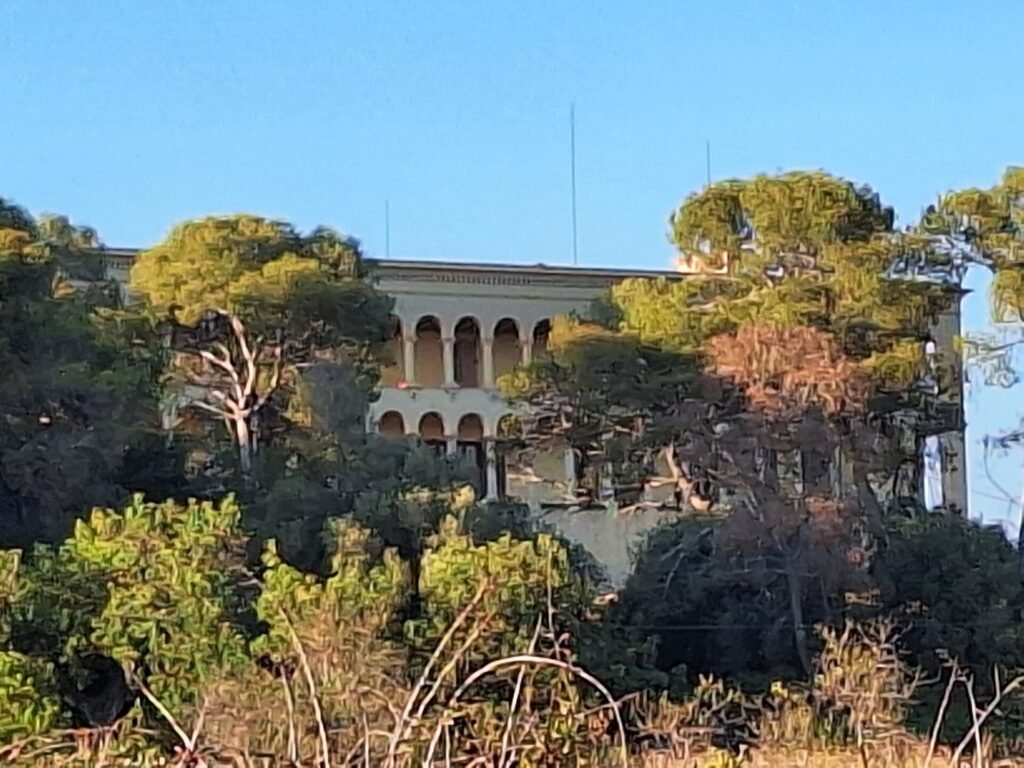
The year 990 is key to the documented history of Ribes, but it is not when people first lived here. Several archaeological sites show much older settlement. Around Can Coll, finds range from the Metal Ages and the Iberian world to Roman times, including Iberian pottery, amphora fragments and Roman building remains. Near the Sant Pau hermitage there are also signs that the site was used before the Christian chapel was built.
So the Ribes landscape we now link with vineyards, masies and country lanes holds more than two thousand years of layered history. The gentle land between the Garraf and the coast offered water, farmland and natural routes between the sea and the interior. Long before there was a town called Sant Pere de Ribes, people had shaped this land.
990: Ribes enters the written record
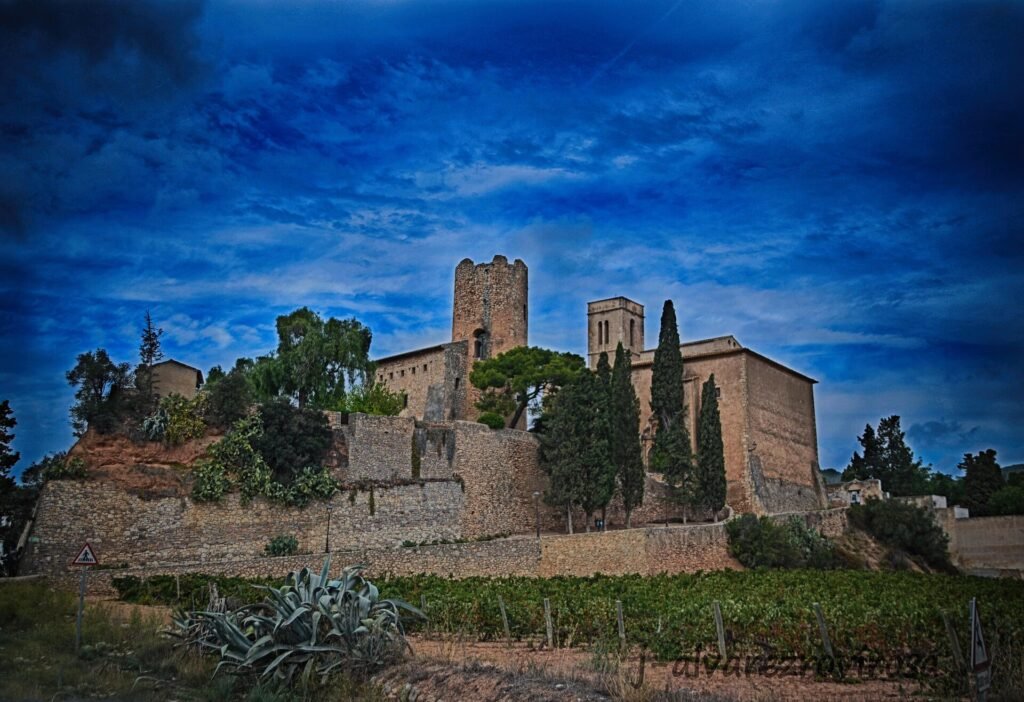
The document traditionally seen as the start of medieval Ribes is dated 6 May 990. In it, Bishop Vives of Barcelona granted a settlement and franchise charter to the people of the castle of Bell-lloc, already also called the castle of Ribes. The frontier area had to be rebuilt and resettled after the raids of Almanzor. In exchange for certain freedoms and the right to their property, the settlers had to help rebuild and maintain the fortress.
Standing in quiet Sota-ribes today, it is hard to picture this landscape a thousand years ago, when it was an unstable frontier between Christian and Muslim territories. The castle was no romantic residence but a military post for watching, defending and controlling the land, part of the defensive network of the great fortified centre of Olèrdola.
For a time Ribes castle belonged to the district of Olèrdola, and its jurisdiction was closely tied to the bishops of Barcelona, a link that shaped local politics for centuries. The lords of Ribes also held the castles of Sitges, La Geltrú and Miralpeix until the late 14th century.
The round tower that has watched over a thousand years
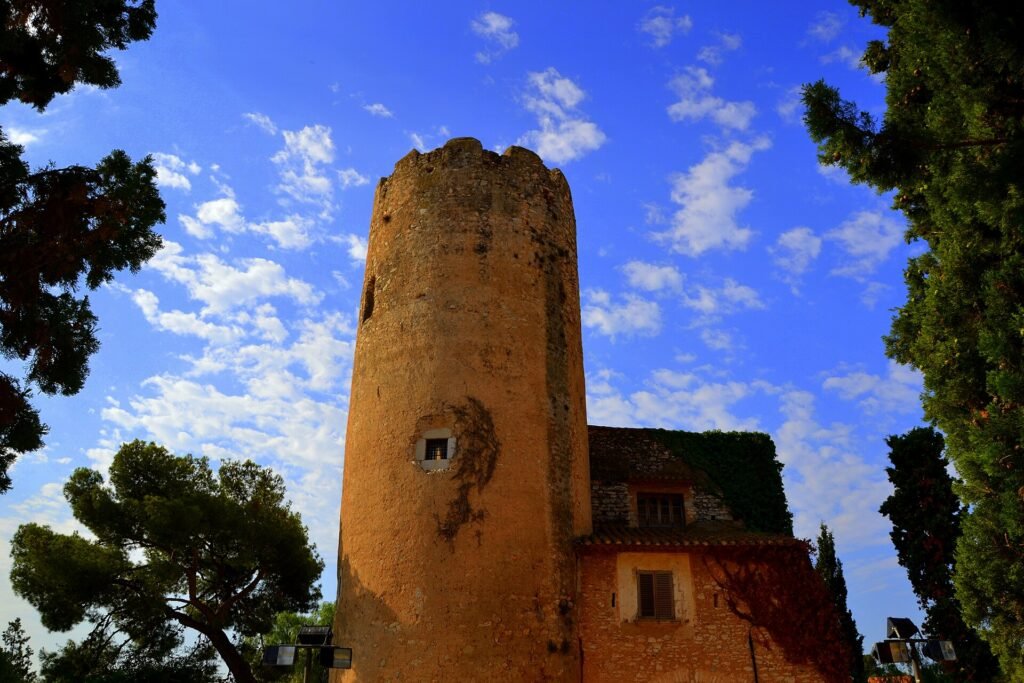
The most striking part of the old Castell de Ribes, or Bell-lloc, is its round tower, almost twenty metres high and about seven metres across. The site has been protected as a Cultural Asset of National Interest since 1949.
A document from 1364 describes the fortress as a tower, courtyard, moat and wall: a far larger complex than what survives today. In 1390 Bishop Ramon d’Escales recovered jurisdiction and rights over the castle.
One of the most delightful curiosities in local history comes in 1620, when the bishop handed the castle to the Comú de Ribes (the local community). The yearly payment was surprisingly modest: two capons and six pennies. From then on the old symbol of feudal power served the community as a grain store, archive, municipal offices, shop and prison.
The prisoners’ graffiti

Its use as a jail left a deeply human trace. Inscriptions and graffiti carved by prisoners survive on the walls, some probably from the late 19th century: behind the great dates, bishops and lords, ordinary people left their mark on the stone.
The castle had another unexpected life in the 20th century. Around the 1970s it was rescued and restored by the famous dancer and castanet virtuoso José de Udaeta, who made it his home and a meeting place for artists from many countries. After further restoration, on 27 May 2021 it opened a new chapter as the town’s heritage interpretation centre.
Sota-ribes: the village across the stream
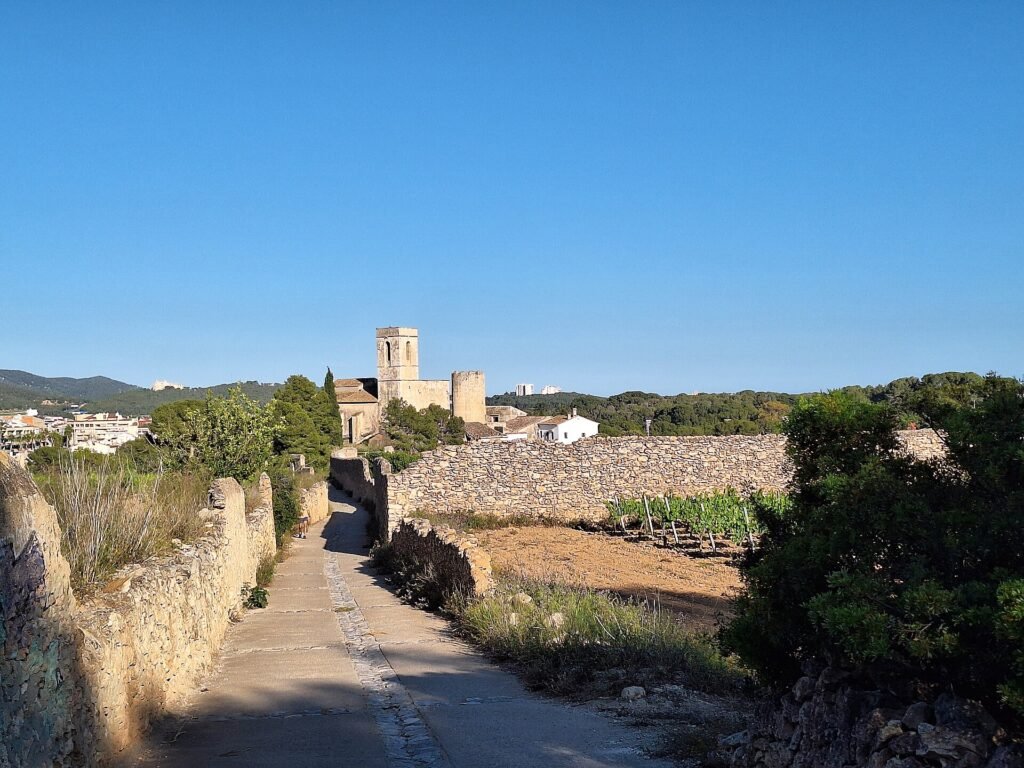
The old village of Sota-ribes grew up around the fortress, and it still tells the story of the town’s origins: the castle, the old church, the former rectory and the Casa del Terme, with small houses and lanes laid out very differently from today.
The place name is especially interesting. “Ribes” has been linked to the Latin ripa (bank, edge, escarpment), while the timbes are the cliffs the stream has cut into the clay. Sota-ribes would literally mean the village “below the banks”. Locals have traditionally just called the town Ribes, keeping Sant Pere de Ribes for the official name.
The Església Vella: centuries of worship beside the castle
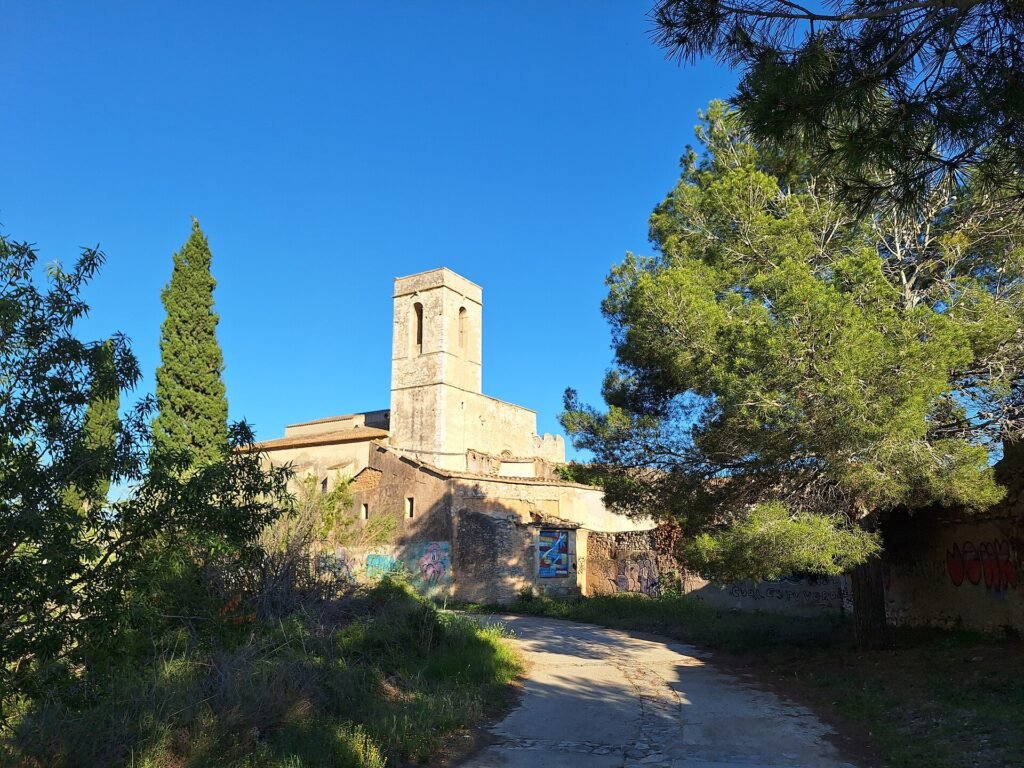
The first parish grew up with the fortress. A medieval chapel was altered and replaced over time, and in 1663, after the Reapers’ War, the people agreed to build what we now know as the Església Vella de Sant Pere. Work lasted about twelve years and was largely paid for by the townspeople. It remained the parish church until 1910, when worship moved to the new church in the modern town.
That move sums up how Ribes shifted over time: for centuries political and religious life centred on the castle and the stream, but urban growth gradually pulled the centre towards Palou, carrer Major and today’s town centre.
The Casa del Terme and the “Universitat” of Ribes
A word of warning when reading old documents: the Universitat de Ribes was not a university but the organised community of residents, the local government before the modern town council.
As early as 1269 syndics were appointed by the community’s general council; in 1351 meetings were called by ringing the church bells; in 1502 the Casa del Terme is mentioned, where representatives of hamlets such as Palou, Parellades, Vilanoveta, Puigmoltó and les Torres met; and in 1643 there is a Council of Thirty. Ribes was not a compact town but a territorial community of settlements governing themselves together.
Puigmoltó: almost 700 years of documented history
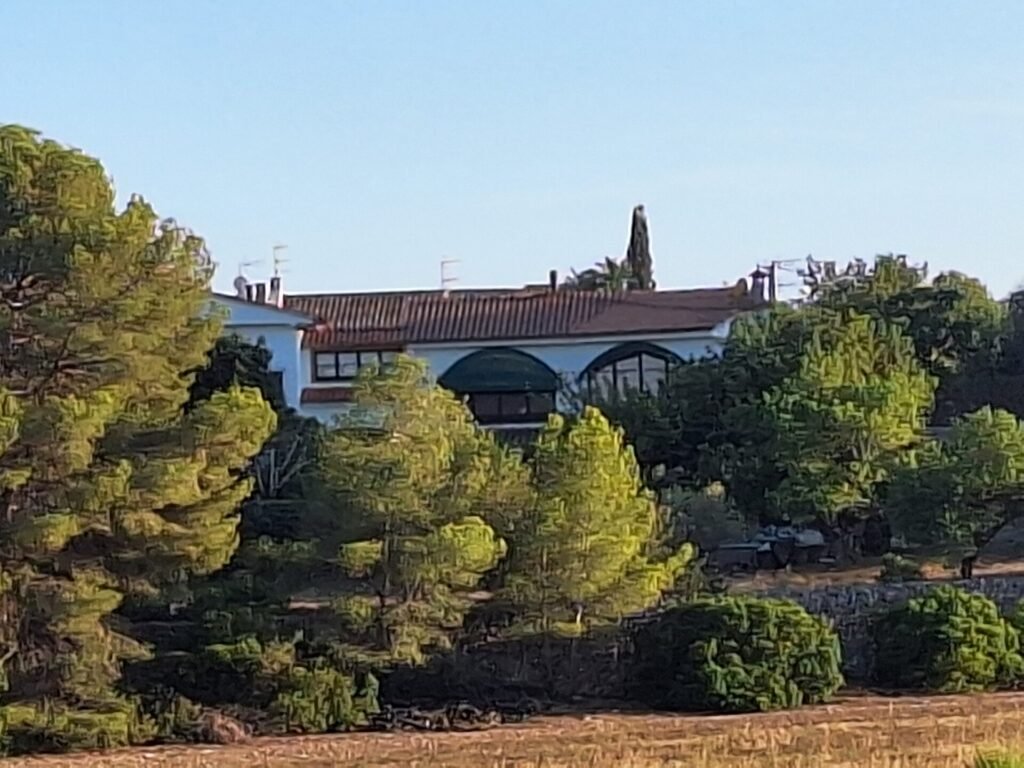
Puigmoltó, a small cluster of white houses between Ribes and the coast, is recorded in 1333, when Alfonso the Benign granted a franchise charter to encourage settlement. What we see today mostly dates from the 18th and 19th centuries, but its origins are clearly medieval, and it shows why Ribes’ history is inseparable from its countryside: for centuries many locals lived in masies or hamlets, not in the centre.
Palou and the move to today’s town centre
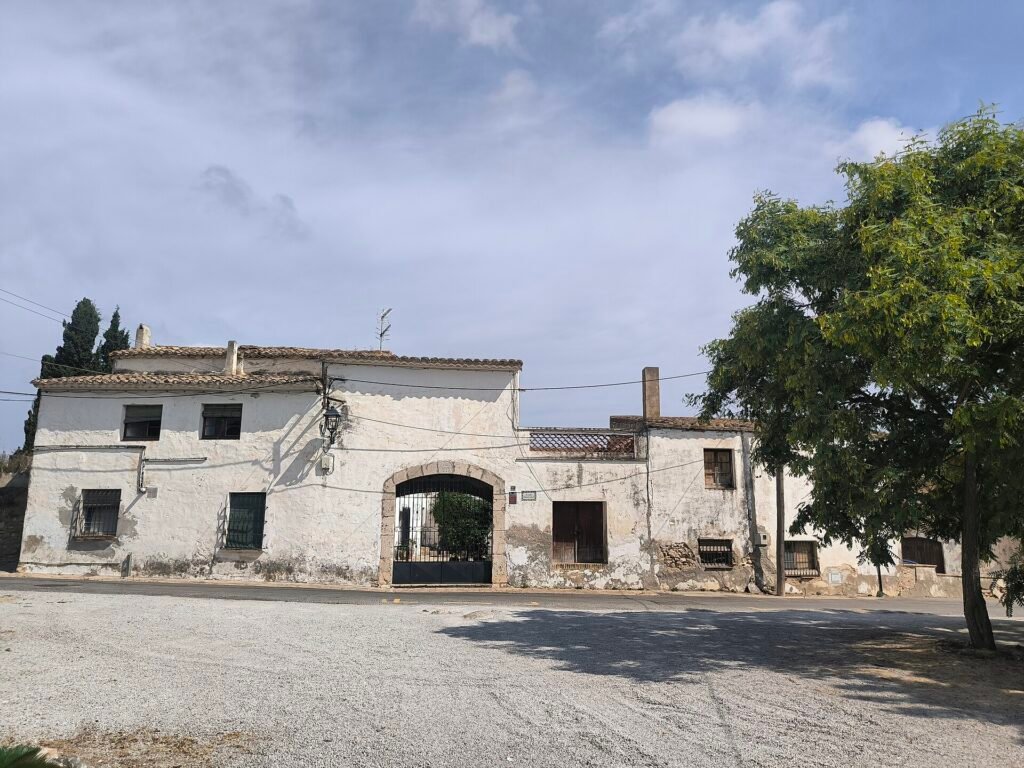
From the 16th century a new centre took shape around today’s Palou neighbourhood. Modern Ribes did not grow outwards from its castle; it built a new centre some distance away. Squares, main streets, the “americanos’” houses, the Modernista Casa de la Vila (1891–1893) and finally the new church shaped 19th- and 20th-century Ribes, while Sota-ribes became a kind of time capsule.
Sant Pau: a sacred site with possible Roman roots
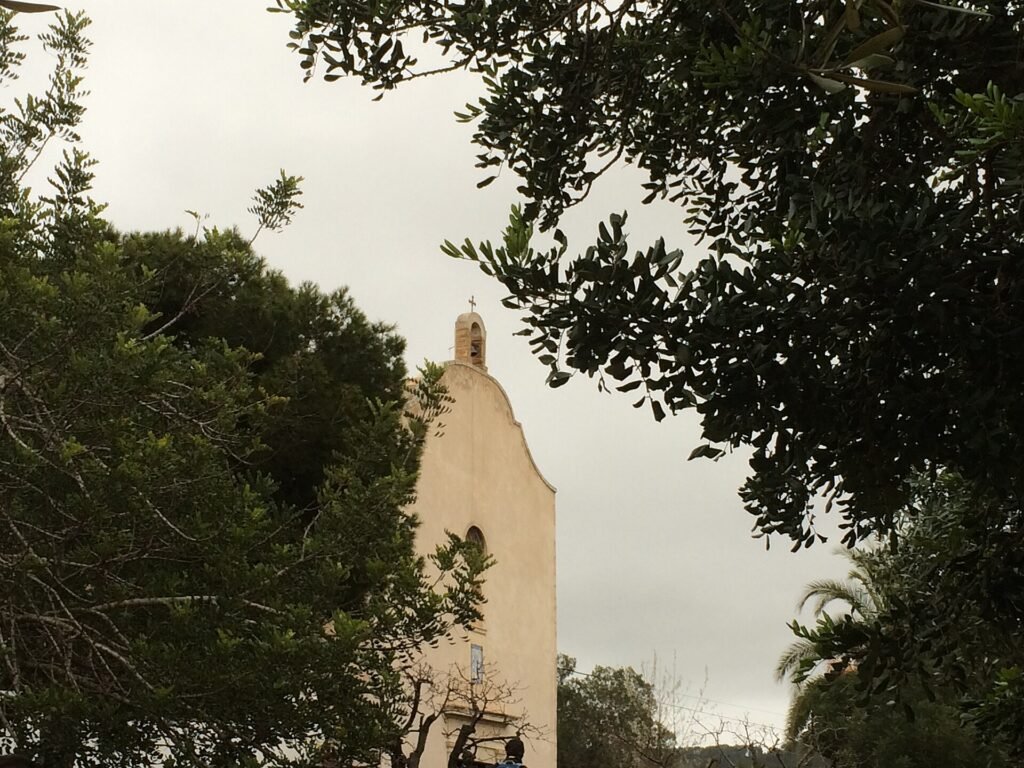
The Sant Pau hermitage, set among vineyards, is documented from the 15th century, though archaeology suggests the site was used much earlier, perhaps in Roman times. The present building is essentially 18th-century. In 1845 the hermitage and its land were declared municipal property, which saved them from privatisation. In 1936 almost all of its interior was destroyed, although after the war two of the few altarpieces saved from the old church were returned there.
Every 25 January, the Winter Festa Major, the procession up to and down from Sant Pau, documented since the 18th century, brings together devils, giants, big-heads, bastoners, cercolets, panderetes and the Drac de Tres Caps (three-headed dragon): medieval history and living folk culture still share the same path.
The vine: the landscape that shaped Ribes
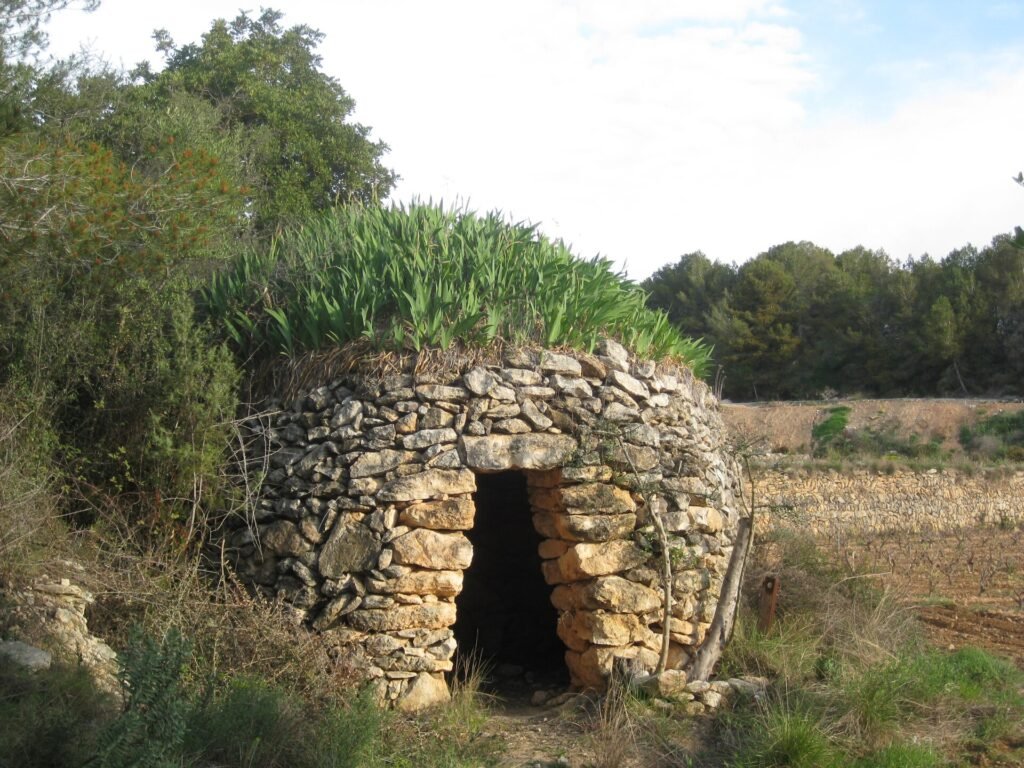
For generations the vine was one of the pillars of the local economy. The dry-stone huts still dotted around the area were used to store tools, shelter from storms or rest far from the farmhouse, and were built from stones cleared from the fields, without mortar.
Wine-growing boomed in the 19th century, when phylloxera first wiped out French vineyards and demand for Catalan wine soared. Then came the cruel twist: the same pest reached these lands and caused a severe crisis at the end of the century, which helps explain emigration to the Americas.
The “americanos”: when Cuba changed the face of Ribes
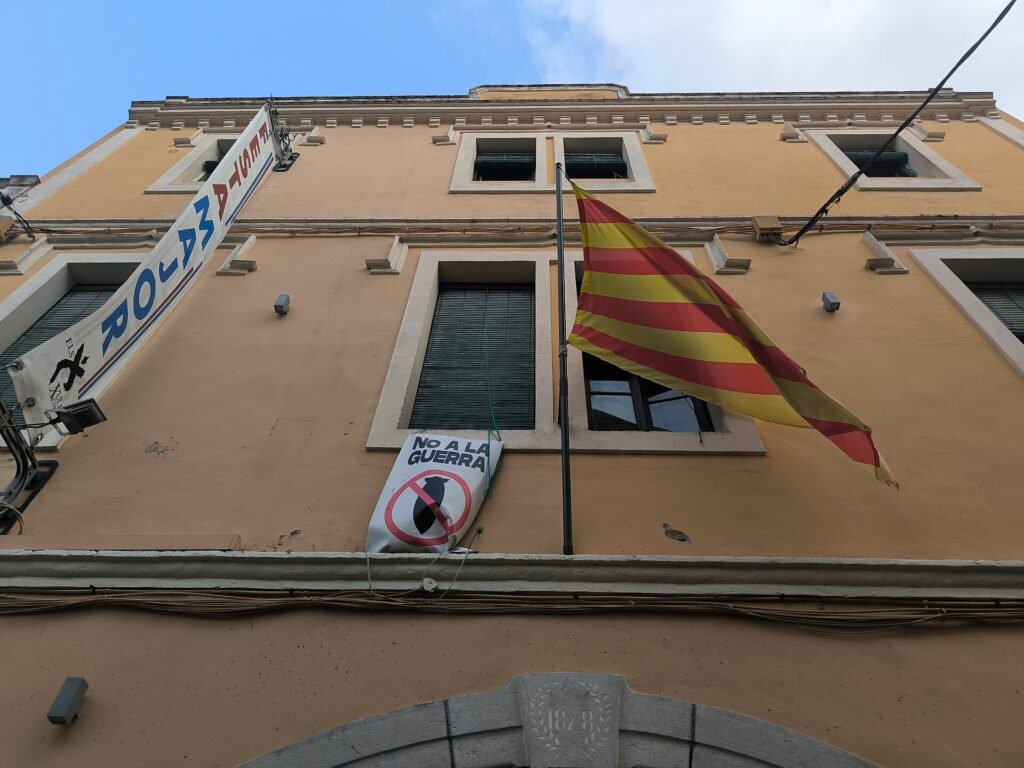
In the late 19th and early 20th centuries many people from Ribes left for the Americas. Those who came back with a fortune have traditionally been called americanos. Not all succeeded: collective memory mostly remembers those who returned rich, because they built houses and funded institutions.
Those who returned with capital formed a small local bourgeoisie, built colonial or historicist mansions and invested in public, religious and charitable works. Carrer Major filled with grand houses in the last decades of the 19th century.
Even the town hall clock remembers the Americas
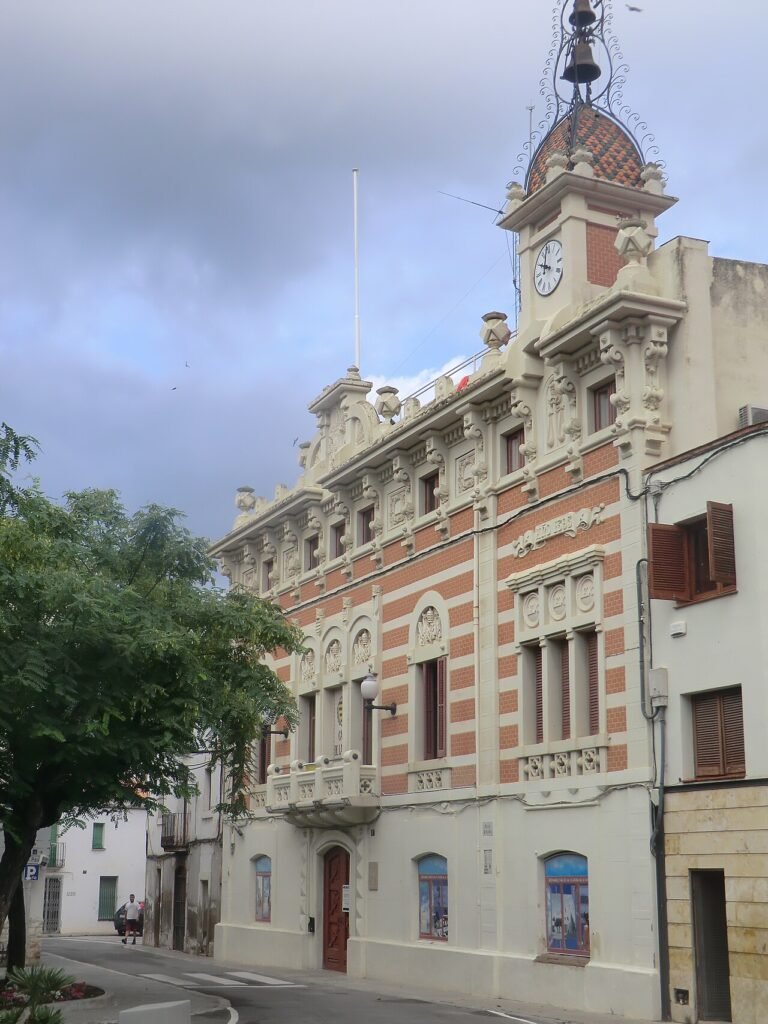
Even the clock of the Casa de la Vila is linked to money from overseas. Plaça de la Font recalls the arrival of piped water, and along carrer del Pi and other streets stand houses from that period such as Can Mauri, Can Milà de Palou, Can Giralt and Can Quadres. The American adventure shaped the street plan, charities, the water supply, the public clock and even the church towers.
The Redós de Sant Josep i Sant Pere
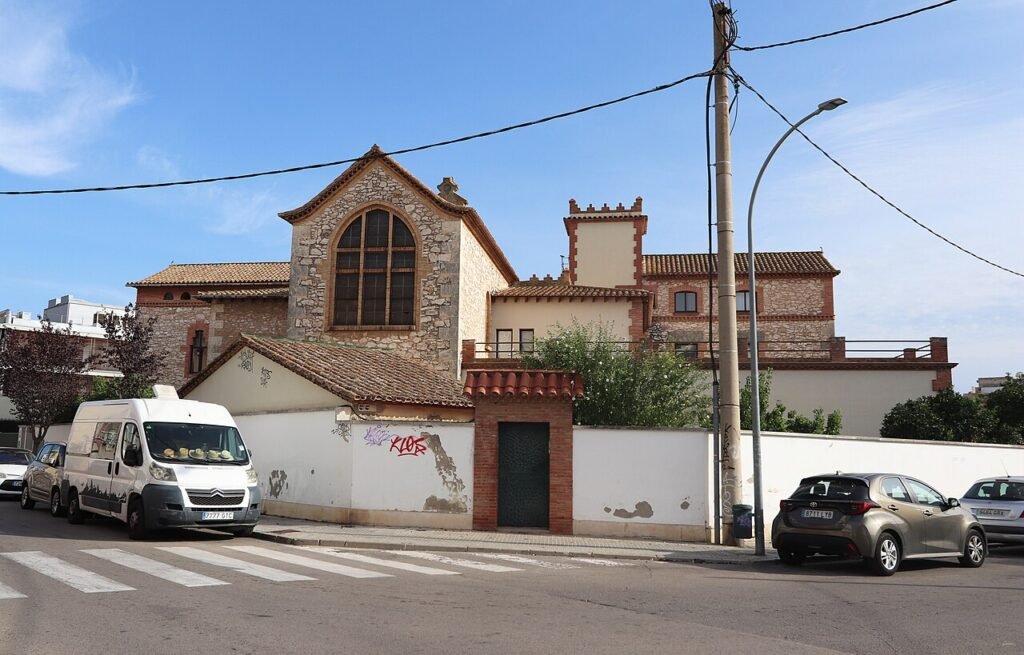
The brothers Josep and Pere Jacas i Planes, who made their fortune in Cuba, funded a home and hospital for sick people without means. The institution was set up in 1899; the first stone was laid during the Sant Pere Festa Major of 1901, and the building, by Modernista architect Josep Font i Gumà, was completed in 1905.
With its garden, cloister, chapel and tower it is one of the most remarkable buildings in town. The Darderes Sisters ran it for about a century, and during the Civil War they kept working, though they stopped wearing the habit.
The new church and its curious orientation
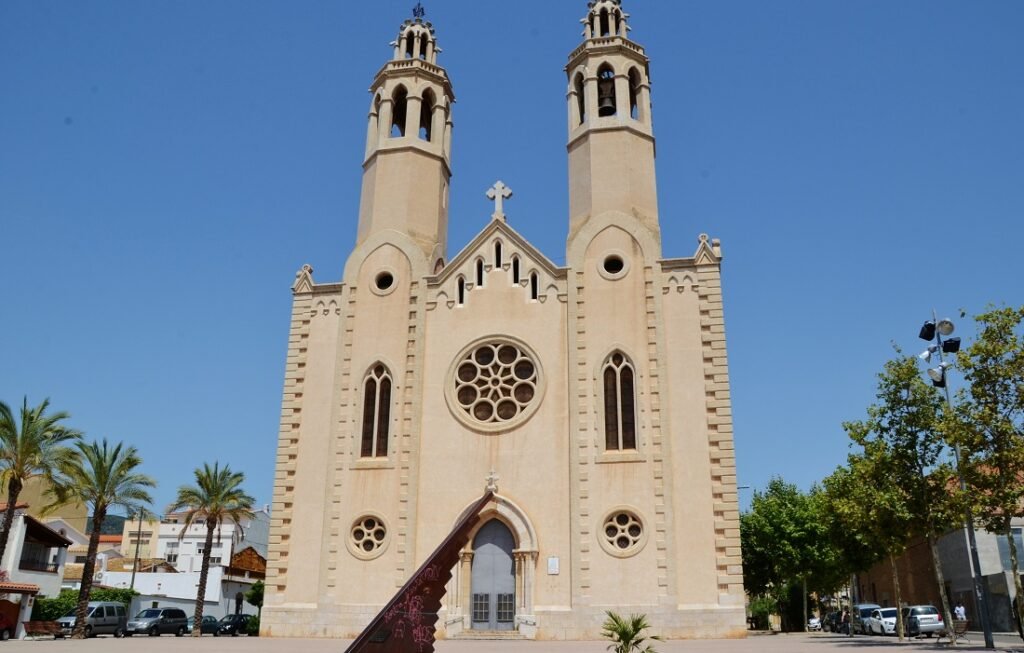
With the town now centred elsewhere, keeping the parish in Sota-ribes became impractical. With help from “americano” money a neo-Gothic church was built and opened on 4 September 1910; its two towers changed the Ribes skyline. Its façade was turned towards the Can Coll farmhouse, home of the patron Francesc Marcer. During the Civil War it was looted and used as a warehouse.
Josep Bertran Miret, the pharmacist who wrote down village life
Josep Bertran Miret (Ribes, 1852), son of the americano Miquel Bertran i Miret, was a pharmacist, keen photographer and one of the founders of the Redós. He kept diaries from 1882 to 1902, a gem of local memory: illnesses, festivals, neighbours, the weather and small news that mattered to people in Ribes over a century ago.
The Civil War and memory
Like almost all of Catalonia, Ribes suffered in the Civil War (1936–1939): religious heritage was destroyed, the new church looted and the inside of Sant Pau devastated. Afterwards, not only buildings but also associations and ways of life had to be rebuilt. The Municipal Archive has collected oral and video testimonies from before and after the war.
From 2,000 people to tens of thousands
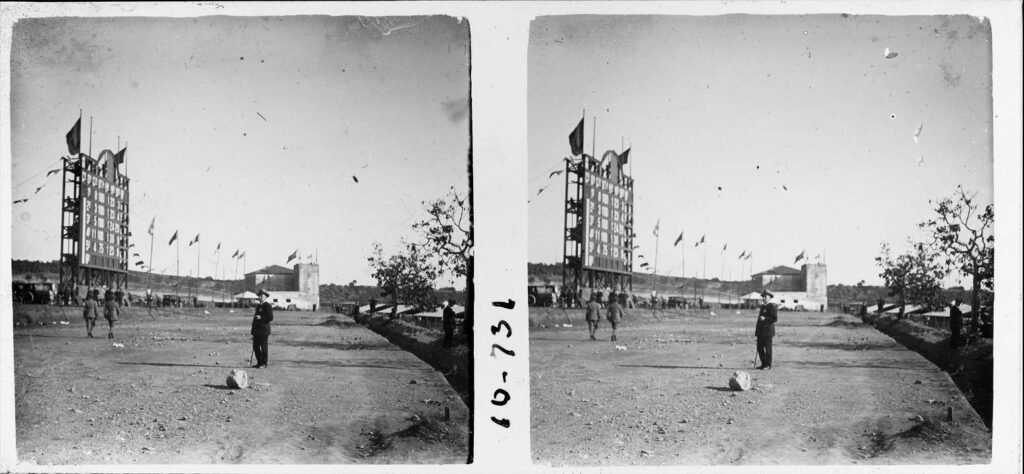
In 1900 Ribes had about 2,081 inhabitants and in 1960 barely 2,282. By 1970 it had passed 5,000, by 2001 it reached 23,134, and today it has more than 32,000. The reason was the transformation of the Vilanova, Sitges and Garraf area… and the birth of Les Roquetes. Earlier, in 1923, the town had already seen a striking moment of modernity with the opening of the Terramar motor-racing circuit near the Sitges boundary.
Les Roquetes: the other big town born within the municipality
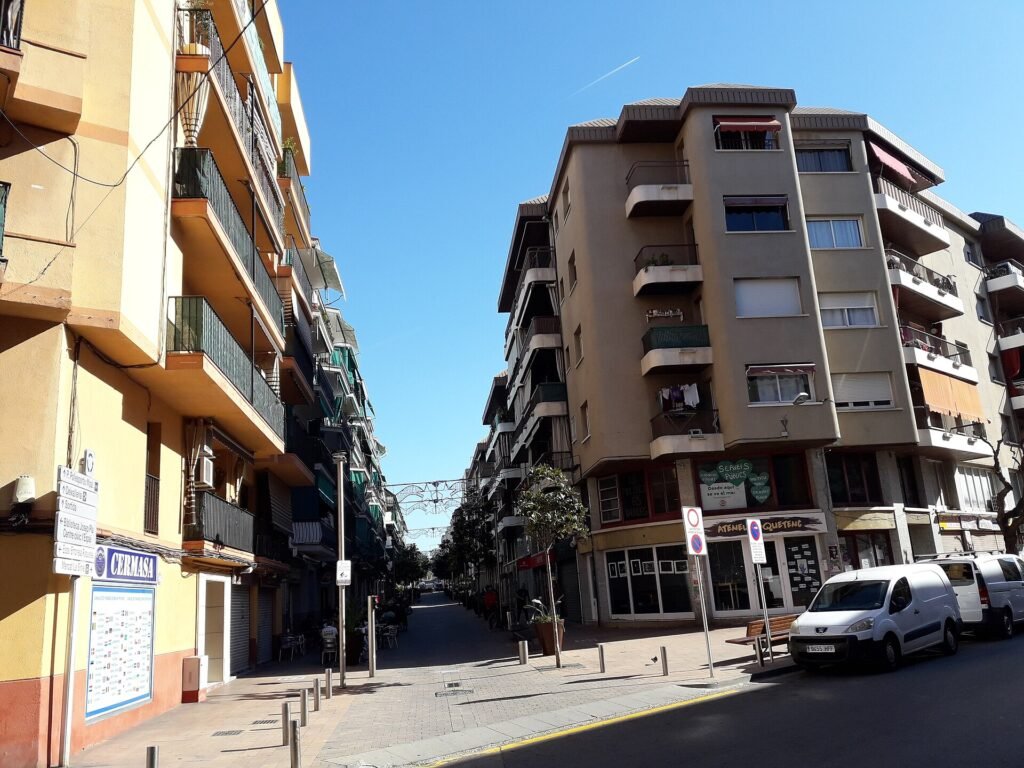
From the 1960s Les Roquetes grew rapidly next to Vilanova i la Geltrú. Many families came looking for industrial jobs and found cheaper land within Ribes; often they built their homes themselves.
Until 1967 it was a scattering of buildings lacking basic services. The “entrance blocks” (1968), around today’s avinguda de Catalunya, sped up its growth and attracted, among others, RENFE railway workers and families from Vallcarca, where the cement works made life very hard.
A town that grew faster than its services
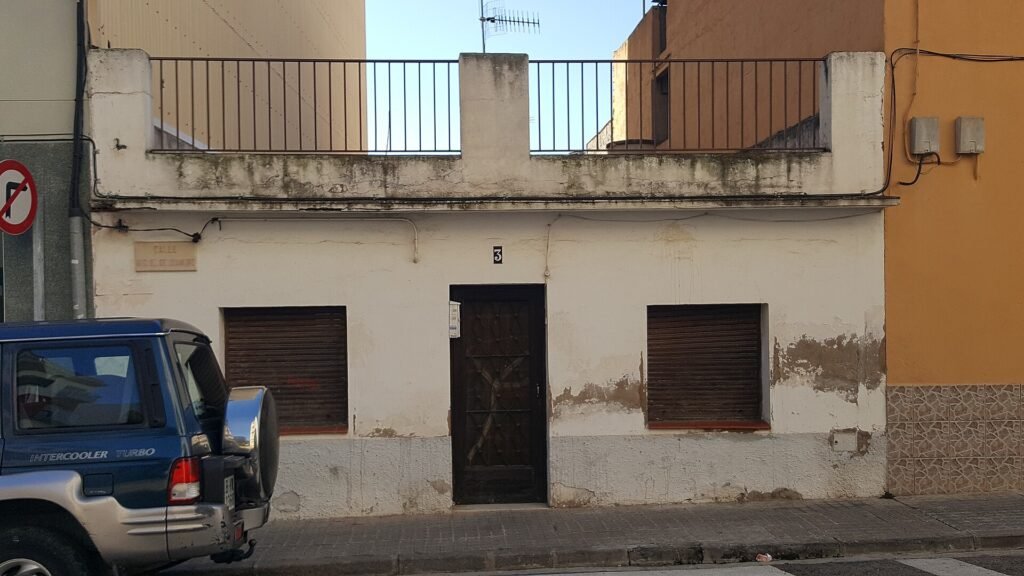
Homes came before services: full drinking-water supply only arrived in 1976–1977, the sewer network was completed in 1984 and natural gas in 1991. These shortages sparked strong neighbourhood activism. Les Roquetes held its first Festa Major in 1973 and its first folk dances in 1974.
Mary Muñoz, the woman who photographed the birth of Les Roquetes
Mary Muñoz de Morales (born 1948) settled in Les Roquetes in 1972 and took part in neighbourhood movements and the creation of the Festa Major. From her photo shop she documented the town’s growth for decades: her archive of about a thousand images lets us watch a modern town being born almost in real time.
Two centres, one municipality
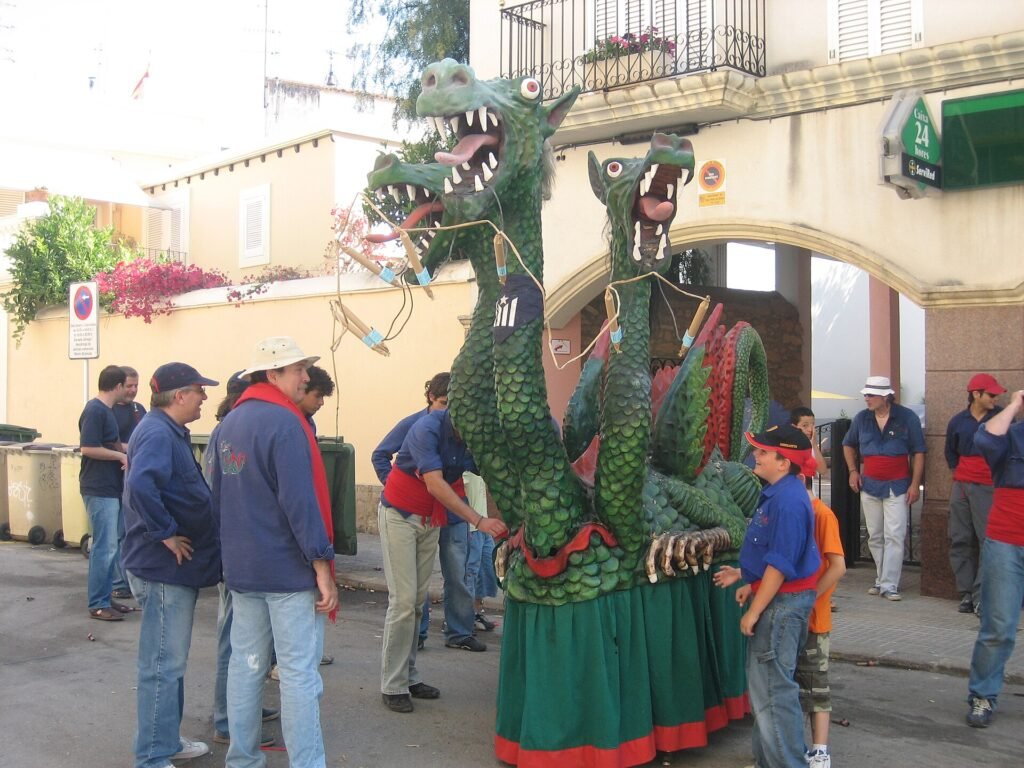
Les Roquetes eventually outgrew the historic centre, and many services were duplicated: sports, health, schools, secondary schools and offices. Few Catalan towns show so clearly, within one municipality, two urban stories almost a thousand years apart.
The festivals reflect it: Ribes celebrates Sant Pau (25 January) and Sant Pere (29 June); Les Roquetes, Santa Eulàlia (12 February) and Sant Joan (24 June); and Puigmoltó, Sant Jaume (25 July).
A castle, a stream, the timbes and an ancient pine
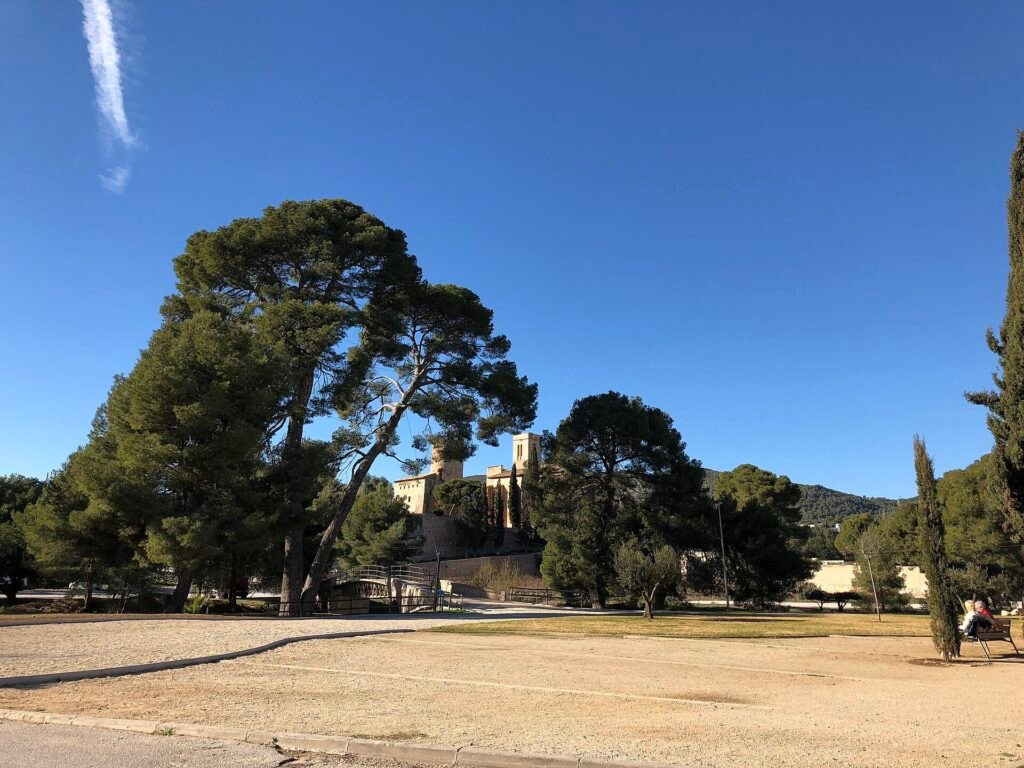
Over centuries the stream has carved the clay cliffs known as timbes, especially visible around Sant Pau. Beside Sota-ribes, the pont de la Palanca bridge and the centuries-old pine complete a scene that is part of the town’s emotional landscape: name, castle, stream, vineyards, paths and festivals are all one relationship between people and land.
Many layers of Ribes
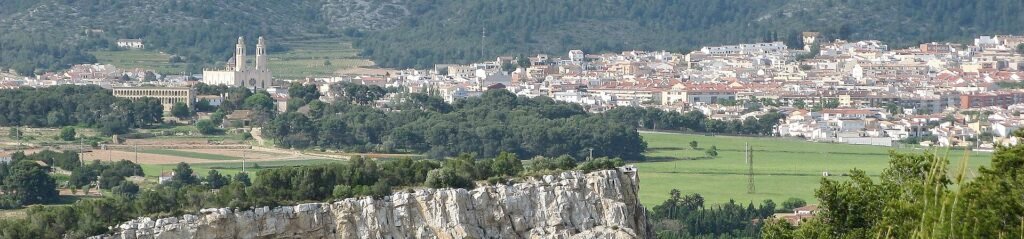
Perhaps the greatest curiosity of Sant Pere de Ribes is that it has no single story of origin: the Iberian and Roman landscape, the frontier Ribes of 990, the world of Sota-ribes and Puigmoltó, the move to Palou, the Ribes of wine, of the americanos, of the war, and today’s Ribes with Les Roquetes. Its history is not locked in one old quarter: each era left a different Ribes without fully erasing the one before.
Walk through history in a few kilometres
Almost all of this story can be explored on foot or on a short trip:
- Castell de Ribes, the thousand-year-old tower (now an interpretation centre).
- Sota-ribes and the Església Vella, with the rectory and the Casa del Terme.
- The stream, the pont de la Palanca and the timbes.
- Sant Pau hermitage, among the vineyards.
- Palou and carrer Major, with the americanos’ houses and the Casa de la Vila.
- The Redós de Sant Josep i Sant Pere and the 1910 Església Nova.
- Les Roquetes, the urban story of the last six decades.
Sources: santperederibes.cat · El municipi · Enciclopèdia · Catalunya Romànica: castell de Ribes · Enciclopèdia · Sant Pere de Ribes · Patrimoni Cultural · Castell de Ribes · Patrimoni Cultural · Jaciment de Can Coll · Patrimoni Cultural · Veïnat de Puigmoltó · santperederibes.cat · Castell de Ribes · santperederibes.cat · Ermita de Sant Pau · santperederibes.cat · Els indians · santperederibes.cat · Redós de Sant Josep i Sant Pere · santperederibes.cat · Església Nova · Arxiu Municipal · Dietaris de Josep Bertran Miret · Arxiu Municipal · Fons Mary Muñoz de Morales · Garraf Turisme · Sant Pere de Ribes · Rutes Garraf · Punts d’interès
Official information
This is an independent community website. For procedures, notices and official data, always check the official sources.